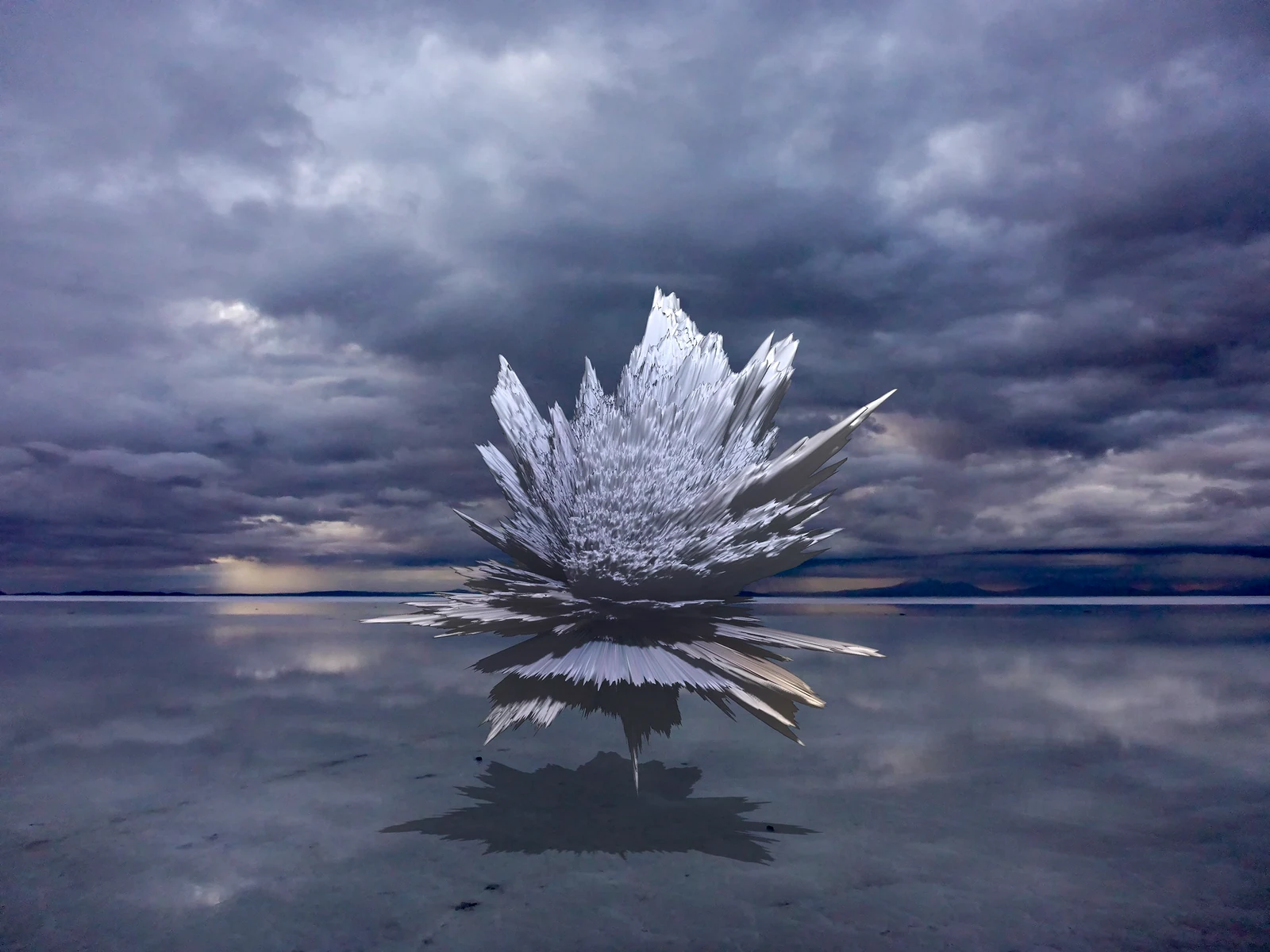
A crystalline digital form floating over a reflective landscape beneath storm clouds
Photography · Sculpture · Film · Digital Worlds

Beyond the
visible.

Images of the world as it is—and as it might become.

Explore the portfolios ↗
An artistic practice

I follow the landscape to the edge of what is known and beyond. Art becomes a way to question scale, memory, time, and the limits of perception.

Enter the work

Portfolios
View all seven portfolios ↗
Image / movement / sound

Films

Explore all films ↗
The artist

Victor
Van Keuren

I am a visual artist drawn to places where the familiar begins to feel unfamiliar. My work moves between photography, film, and sculptural form, often beginning with the encounter between a landscape and the imagination.

Artist statement and background ↗
Photography / digital form

Portfolios

Seven bodies of work. Explore each series in full.

Upcoming projects

In development

Event Horizon

← All portfolios
2021 / 7 images

Metamorphoses

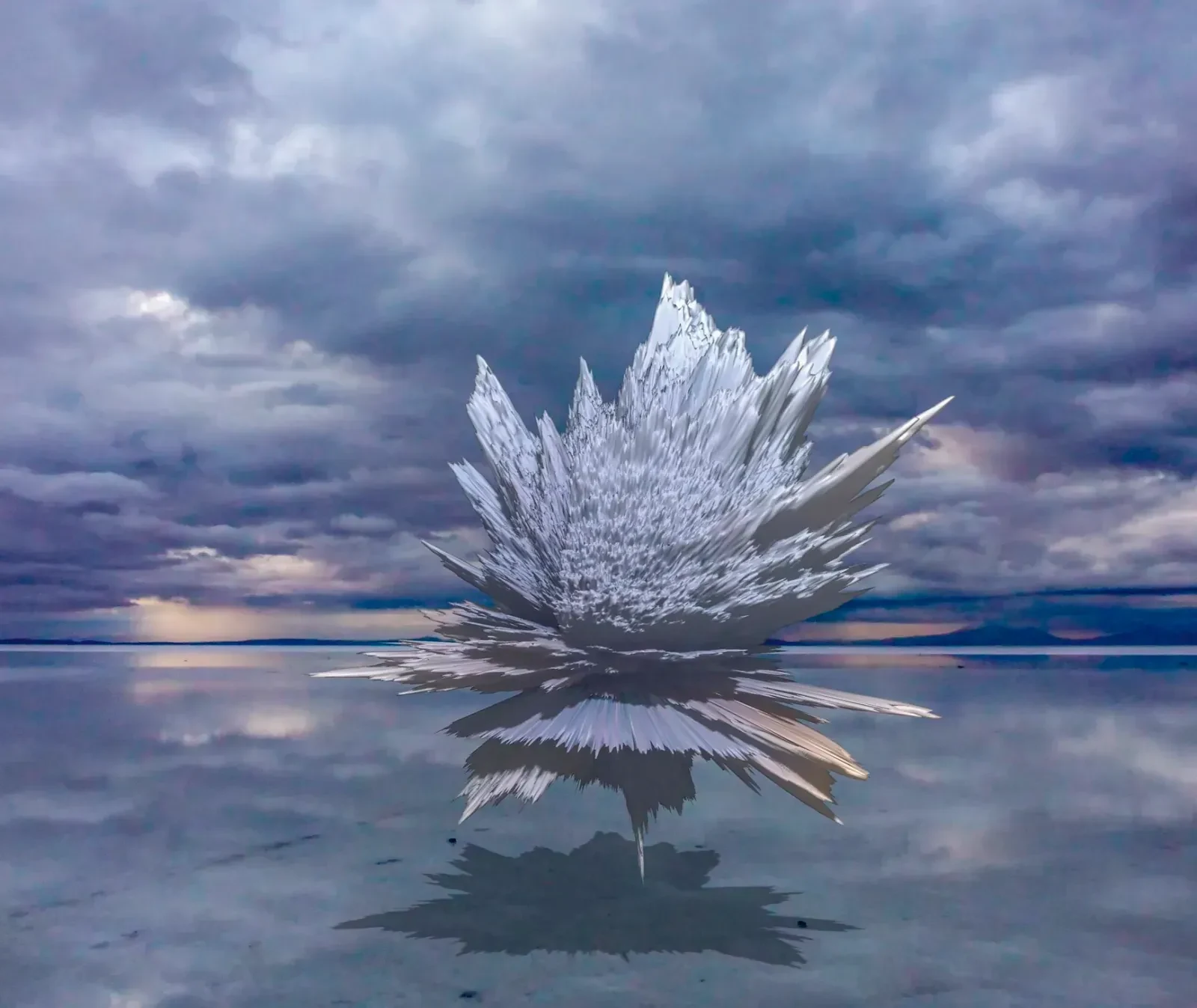
Landscape becomes an object. An image returns to the place from which it came.

Request a detailed preview ↗

Read the project text
Van Keuren's experimental works invite the audience into a world of pure fantasy. These pieces are a bold departure from the conventional, combining elements of reality with unexpected features. In this way, the artist creates surreal, dream-like scenes that challenge our perception of the natural world. Using new photographic techniques and digital transformation, he constructs landscapes that are at once familiar and completely alien. His creativity reshapes the laws of nature.The new series of landscapes by the American photographer Victor Van Keuren are a cognitive experiment: They challenge our perception and raise the simple question of what we see.The images open up views of heaven and earth melting into a distant horizon, they draw the eye into the wide range of a flowing landscape, a vision of recognizable terrestrial space. There is a familiarity here, we have all been there, whether we know these places from experience, or from televised documentaries of distant lands.Set in the foreground of each is an object of peculiar shape and dimension, lingering, each one similar in kind but different in shape. It merges into the background and stands out at the same time. An object it is and we ascribe it three dimensions, it has a shadow projecting onto the ground below; a curiosity, an object trouvé, a meteor from outer space, a fossilized explosion, a crystallized rock formation, something that reaches out abruptly from a center into surrounding space. It is a nuanced thing, organic, energized and inexplicable to our cognitive faculties.For want of recognition, we turn to van Keuren for an explanation, an answer. The answer is technical, rather than geological. We are looking at a computer-generated image of the very landscape in which the object is seen. Using a digital technique, the exact same digital image of the landscape we recognize, is translated and transformed into a three-dimensional highly original shape. Light and shadow unite and condense into an unrecognizable yet seemingly natural form which is per se no different to the sphere in which it is set. We are looking at a double image, sameness in difference. While the landscape opens up into an imaginative space beyond the edges of these photographs, each object converges upon a center, where it is energized and reaches out from an imaginary core.Nature in digital images is in no way natural. The digital image creates an illusion of nature, which is morphed into its own metamorphosis: It is a metamorphosis in a literal sense, a change of appearance, not of essence. Sameness and difference are merged in these images to a curiously organic effect. We imagine ourselves - hunters and collectors at heart - coming across a marvel like the one captured and taking it home. There is something here that captures us and triggers our imagination, making these landscapes not only a curiosity, but an inspiration to look at. Dr. Maria von Kerssenbrock-Krosigk / Berlin
← All portfolios
2016–2017 / 14 images

dos desiertos

Two desert worlds meet across distance, form, memory, and light.

Request a detailed preview ↗

Read the project text
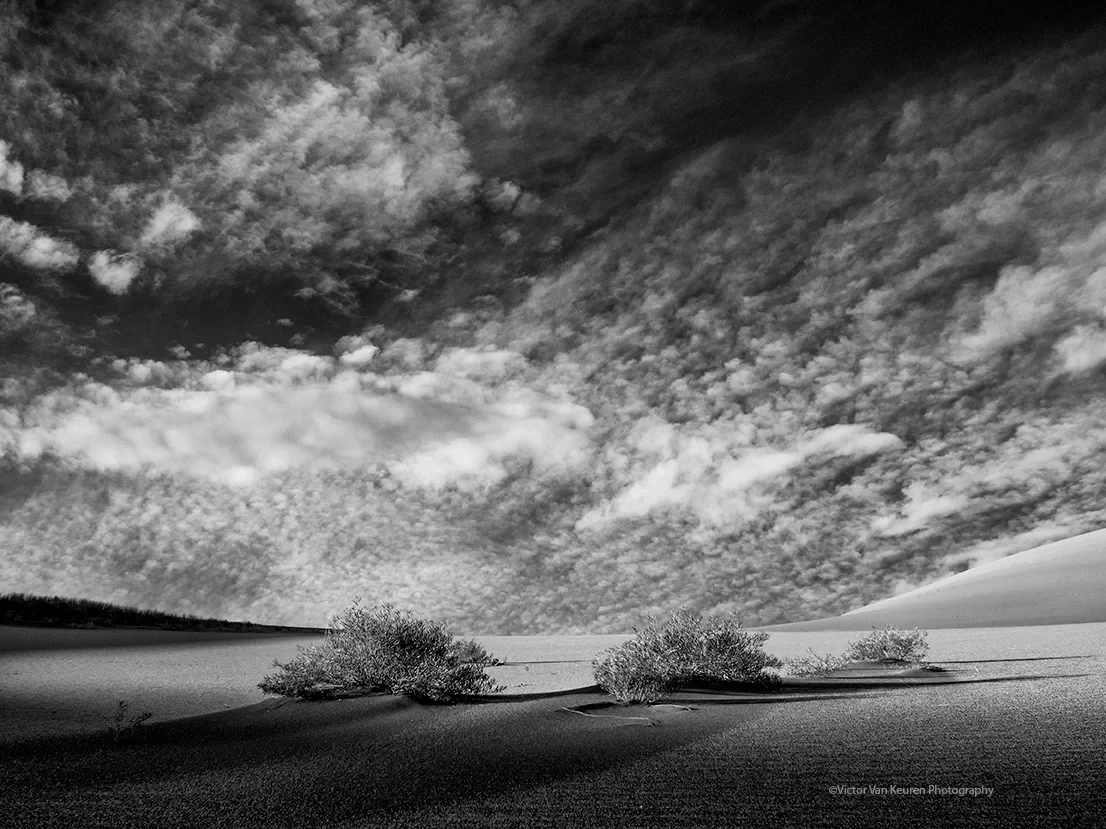
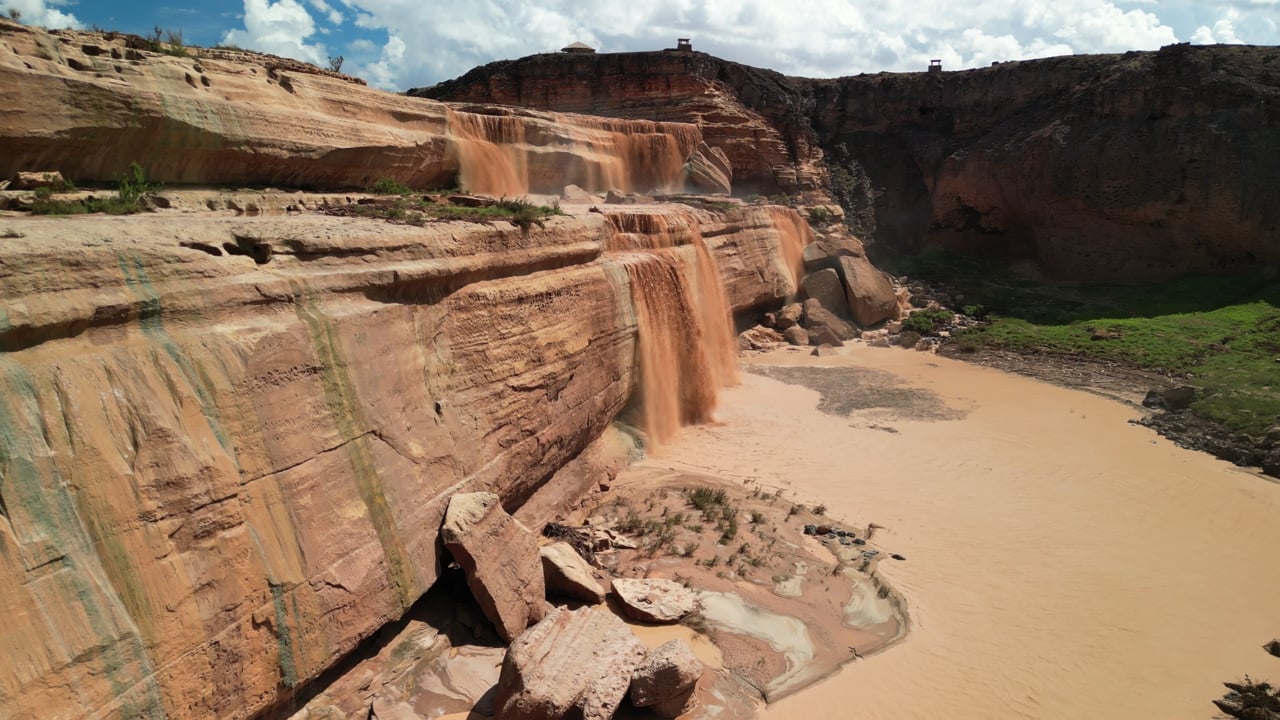
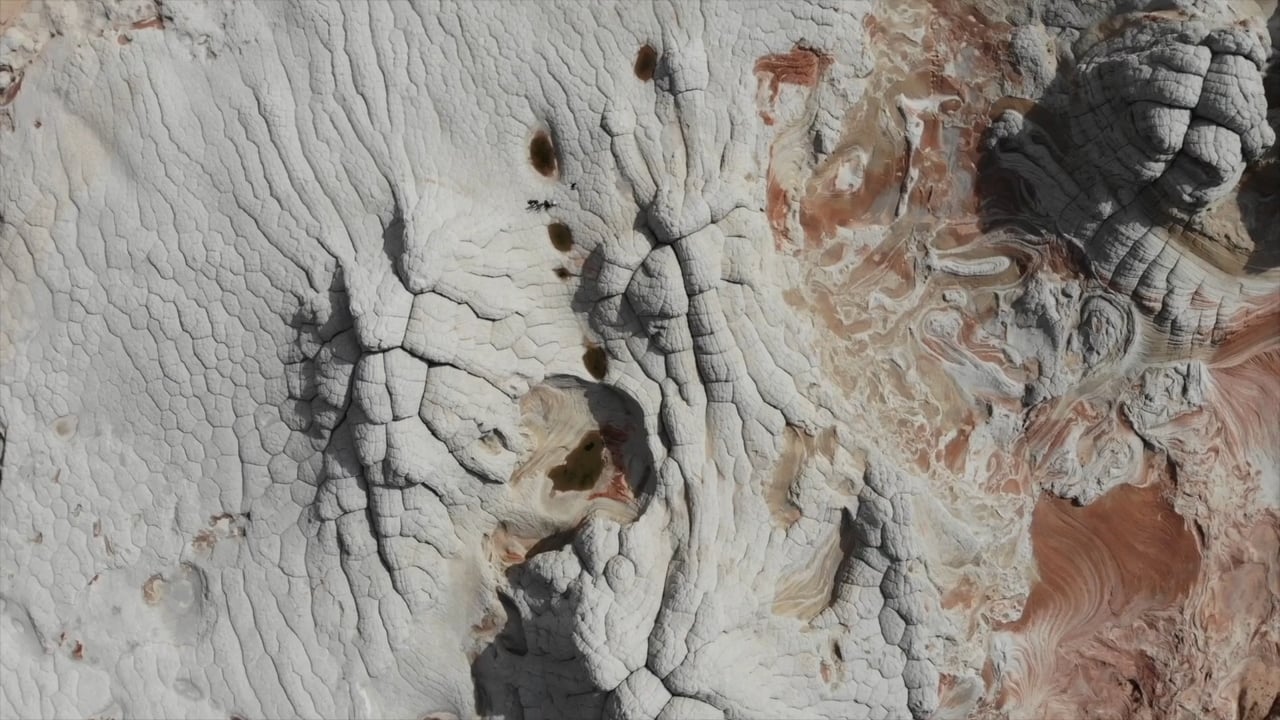
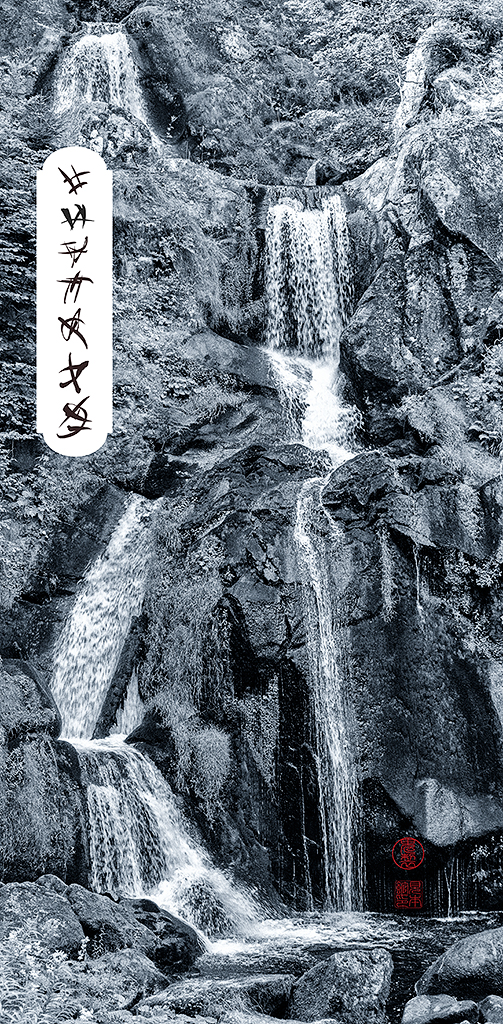
Dos Desiertos is a visual journey through the Four Corners desert in the south-west of the USA and the Atacama in Chile and Bolivia, some of which are photographed from the air using a drone. This project encompasses ethereal, black and white photography as well as the film Dos Desiertos (link to the film). The Atacama in Chile and Bolivia is a desert plateau stretching out west of the Andes Mountains on the Pacific coast of South America. As the driest nonpolar desert of the world, this unique ecosystem is home to some of the world’s most spectacular landscapes: The Cordillera de la Sal, a mountain range near San Pedro de Atacama, was formed by tectonic activity in the Salar de Atacama, during which layers of continental red sediments and white evaporites were folded up and uplifted. Over the last 4.000 years, erosion by water from the rare rainfall in this extremely arid region has formed a bizarre-looking landscape with superficial salt efflorescence and salt caves. Meanwhile, the Four Corners Desert in the southwest United States is located on the Colorado Plateau and named after the quadripoint of the four bordering states Arizona, Utah, Colorado, and New Mexico. This area combines a multitude of sublime landscapes, such as the Painted Desert, known for its brilliant and varied colors including the red rock and shades of lavender, and Monument Valley, characterized by a cluster of large sandstone buttes and considered sacred by the Navajo Nation.
← All portfolios
2016 / 16 images

Spiritus — Rapa Nui

An encounter with the presence and mystery of a remote island.

Request a detailed preview ↗

Read the project text
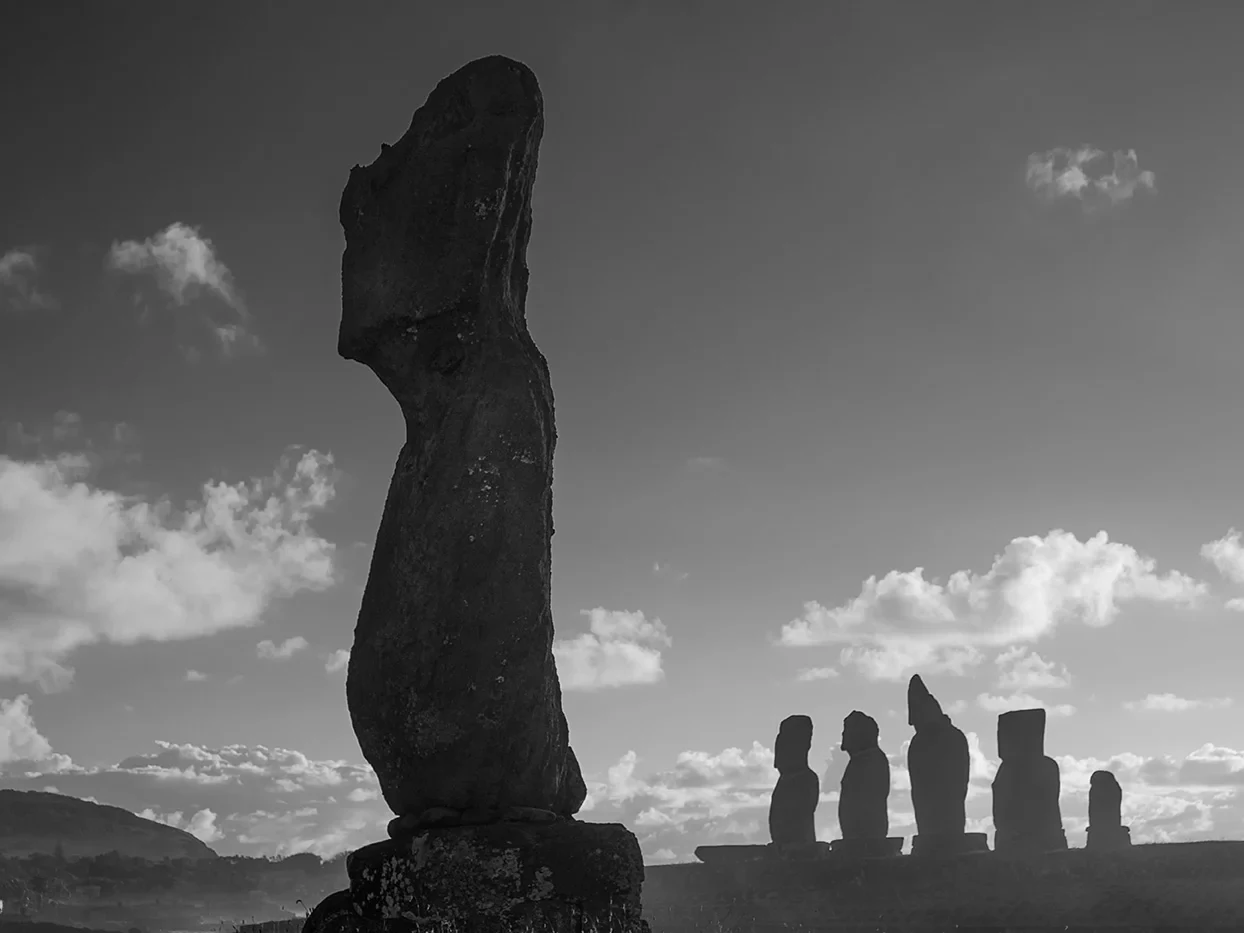
Easter Island is an enigma. It is the most isolated place on the planet, 2400 miles from nearest land. Upon its “discovery” by Europeans in 1722 it was a place that had been recently ravaged by a collapse of its ecology and ethnicity. It was de-forested and the indigenous tribes were in a state of suspended chaos.
Yet, despite it’s savage history Easter Island remains an intensely spiritual and sacred place, it is palpable. The greatest legacy left by the first peoples are the Moais. These are representations of the great chiefs of the many different tribes that were here. The Ahu is a sacred and powerful place. Yet the fervent expansion of the Moai cult eventually led to total de-forestation and collapse of the ecosystem.
Today the Moais remain the connection to this ancient and proud people. They have endured the ravages of inter-tribal warfare, European discovery and tsunami.
← All portfolios
2017 / 9 images

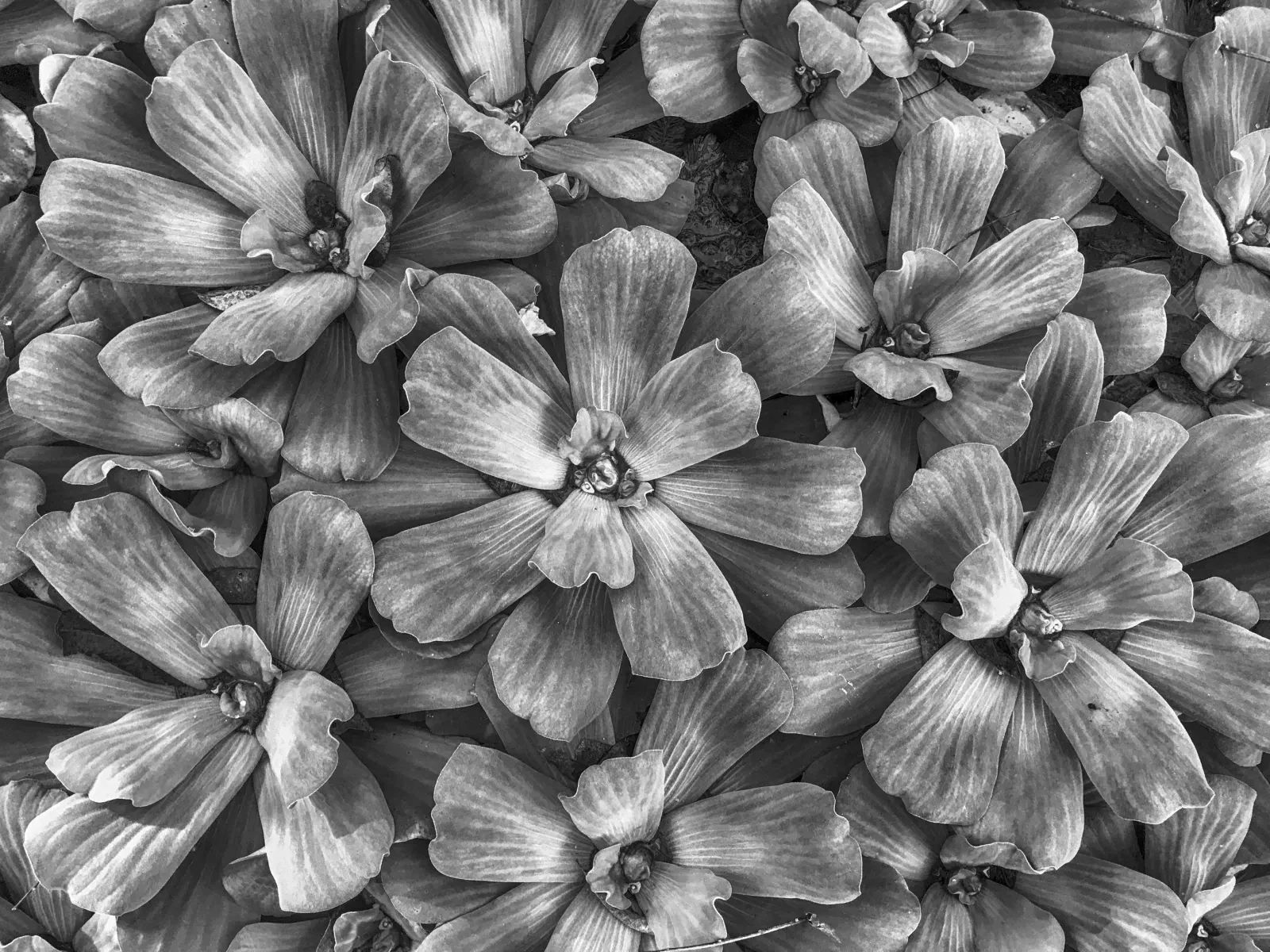
A World of Scale

A shift in scale changes the way we see the familiar world.

Request a detailed preview ↗

Read the project text
In the winter of 2017, Victor van Keuren was an artist in residence at the “Fundacion de Artistas” in Merida in Mexico. Merida served as a fantastic base to explore the region and become more familiar with this exceptional part of Mexico. His photographic theme for this project was: A World of Scale – Indigenous plants of the Yucatan. “We live in a world of scale. From the scale of Cosmos to the scale of the microscopic. All forms have a universality and a primal recognition.
As I spent time in the jungles of the Yucatan one of its most impressive features was the plant life, so varied, so present and so abstract. These images are my expressions of the worlds at our feet, the amazing forms that are sometimes overlooked. We live in an amazingly diverse, beautiful and abundant world,
none more than the jungles of the Yucatan.” – Victor van Keuren
← All portfolios
2018/2020 / 20 images

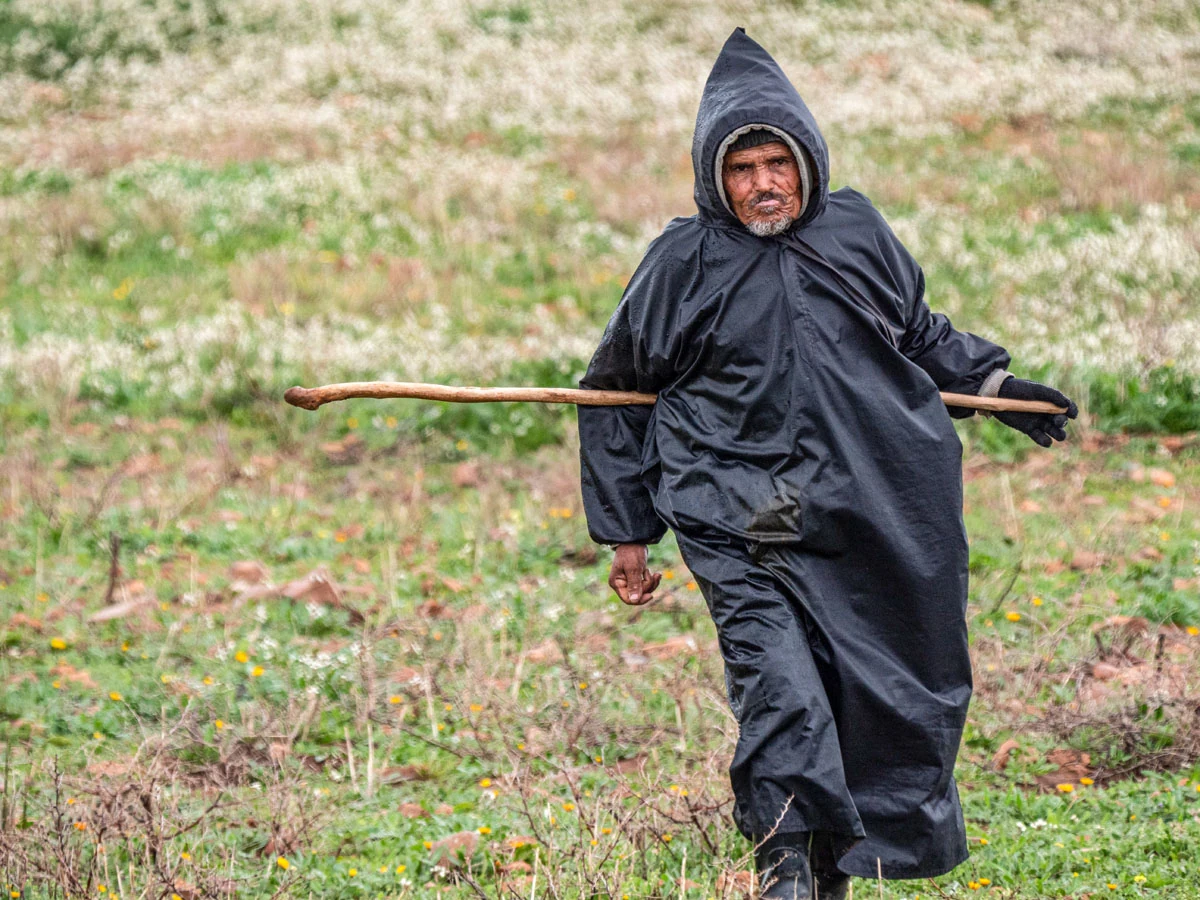
Amazigh

Portraits and places shaped by a culture of enduring independence.

Request a detailed preview ↗

Read the project text
The Berber Culture in North Africa is incredibly diverse and colorful. Their people in Morocco live in harsh environments, from the frigid alpine conditions of the High Atlas to the impossible heat of the Sahara Desert. They are Muslim and this adds a piousness to their lives that is ever present. Both the languages and written forms of Tamazight Berber are an enigma. They are difficult and impenetrable, even by other Berbers. One Berber might not understand a fellow countryman just a few hours down the road, and dialects from across the country are nearly indecipherable. Roughly 40 percent of the nation’s population claims Berber heritage. Berber populations can also be found in Mali, Mauritania, Algeria and Tunisia. The BerberTribes first arrived in Morocco in the second millennium BCE. The name, Berber, is likely derived from the Roman word for barbarian, while they refer to themselves by the term Amazigh, or ‘free people.’
← All portfolios
2020 / 15 images

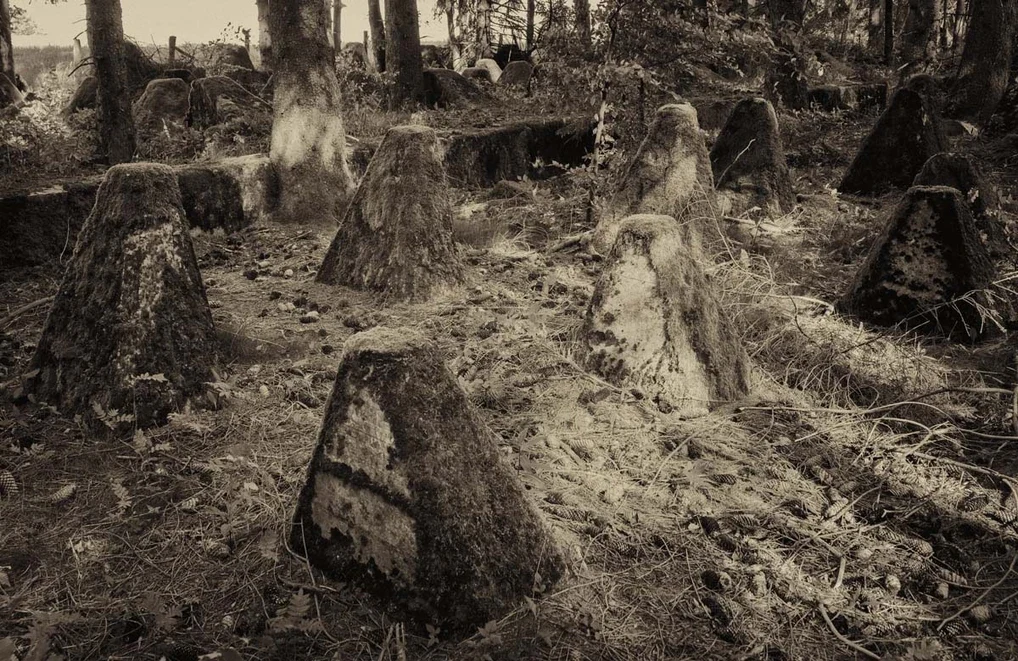
Ghosts in the Forest

History remains visible in the landscape long after the event.

Request a detailed preview ↗

Read the project text
The western wall ran along the western border of the so-called German Empire and was known to the Allies as the Siegfried Line. It consisted of over 18 thousand bunkers, tunnels and countless trenches and tank barriers and was mainly built between 1936 and 1939. The tank barriers were built many kilometers along the west wall and – because of their shape – were also called “hump line” or “dragon teeth”. The most competitive area of the West Wall was the area of the Hürtgenwald in the Northern Eifel. Up to February 1945, around 12,000 Germans and approximately 32,000 US soldiers were killed here. In addition, the "Ardennes Offensive" began right here on December 16, 1944, the last riot of Nazi Germany before the final collapse, which, however, was to last until May 1945, meaninglessly and destructively. A memorial stone commemorates the victims on both sides. The photos were taken on the "Hollerather Knie" near Hollerath, an almost right-angled curve on federal road 265. The concrete humps are partly overgrown by the forest and covered with moss. After the Second World War, many parts of the western wall were blown up or covered with earth. Today they are under protection in Rhineland-Palatinate. The Westwall Museum near Irrel provides a good overview of the history of this "monster building“.
← All portfolios
/ 22 images

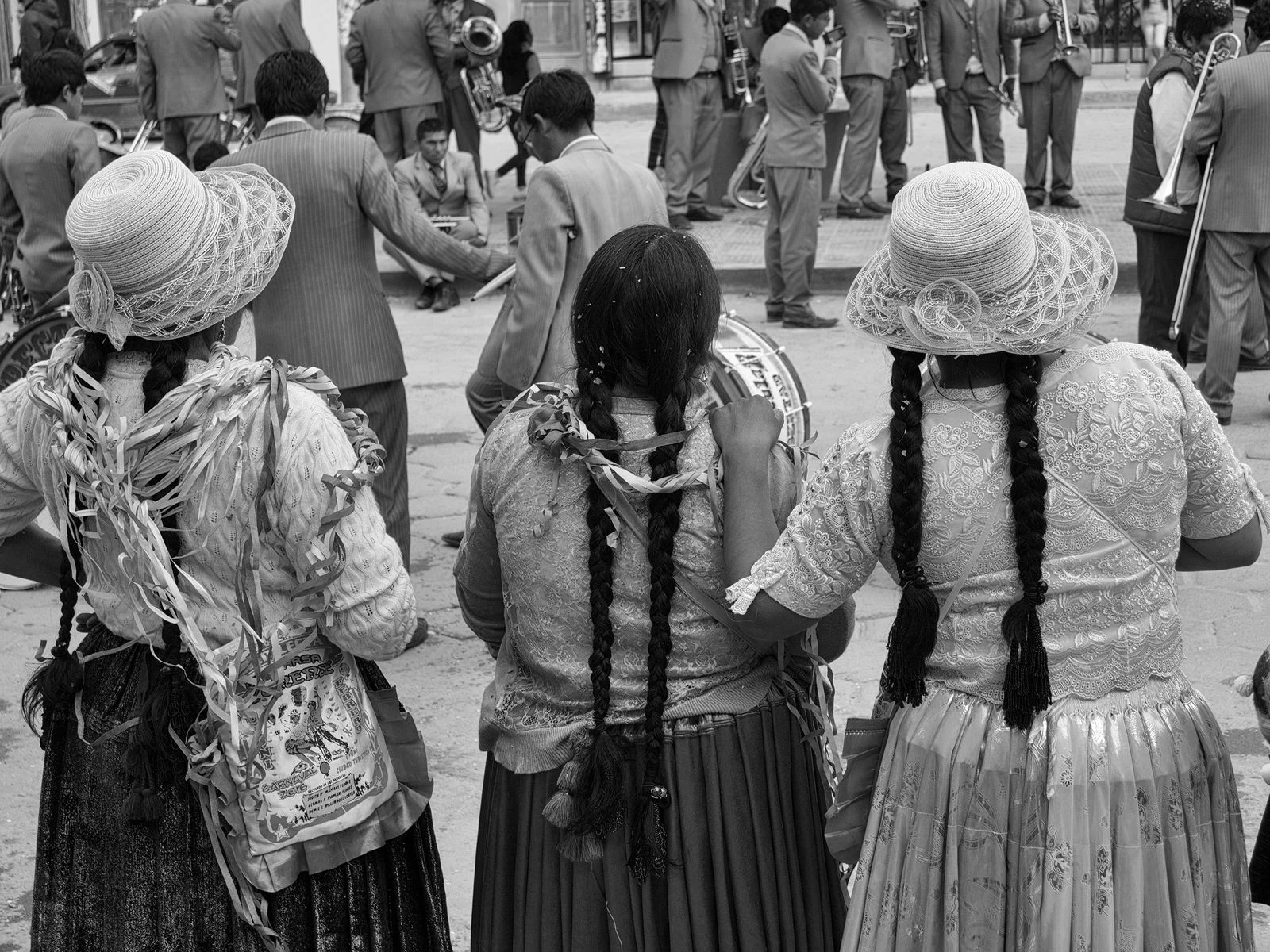
Street

Passing gestures and the unplanned theatre of everyday life.

Request a detailed preview ↗

Read the project text
To me, street photography is one of the hardest and most satisfying genres of photograpy. It's a spontaneous reaction to a dynamic environment. It requires the shooter to be hyper aware of an ever changing urban landscape unfolding before you. A certain scene appears for a brief moment, and is forever gone. Therefore, it is an ultimate test of immediate composition and subliminal response of photographic skills and intent. When it all comes together, it can be so rewarding. Let's go for a walk ...
Moving images

Films

Landscape, music, and the passage of time.

2024 / Film & live music

Edge of the Worlds

A film by Victor Van Keuren, with guitar by Junior Cesar Serracent.

2020 / Film & live music

dos desiertos II LIVE

With Jesse Wong. Recorded at Galerie Lausberg in Düsseldorf on August 5, 2020, during the exhibition Metamorphoses.

2019 / Documentary contribution

Dialogue Earth

A film about the life and work of Ulrike Arnold, directed by Hank Levine. Victor contributed primarily drone footage from locations in the American Southwest during 2016–2018.

Artist / explorer

Victor Van Keuren

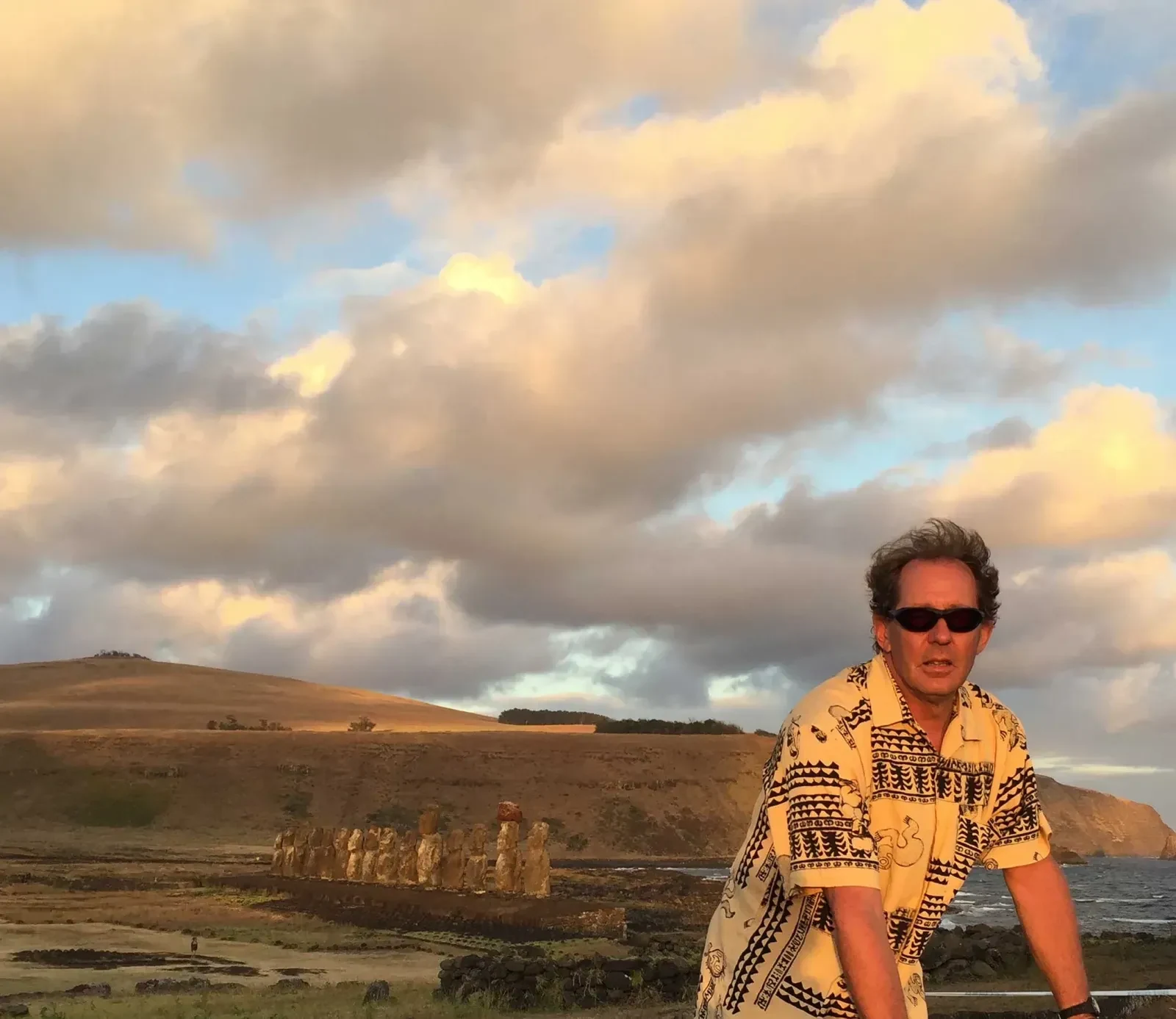
Victor Van Keuren in a desert landscape

I am a visual artist drawn to places where the familiar begins to feel unfamiliar. My work moves between photography, film, and sculptural form, often beginning with the encounter between a landscape and the imagination.

From the darkroom to digital transformation, I have explored ways an image can hold more than a record of a place. It can become a question about what we see, what we remember, and what lies beyond the frame.

Based in Düsseldorf, Germany · Working internationally

Earlier artist statement
I have always been an explorer. Now my explorations are taking me into the worlds of Augmented Reality and expressing photography with 3 dimensional printing. With new tools that are emerging in the digital space, I think it may be the most exciting time in history to be an artist, where all is possible.
My approach to visual art is one of journey. From when I first started in a wet darkroom to the present, with photography, film, drawing and painting I have become more expressive with scale. Much of my work involves timelessness, eternity. I have become most known perhaps for my ethereal Black / White desert landscape works. They have set the stage for a new evolution in my artistic thinking.

Education and Photographic Study

Brooks Institute of Photography

Santa Barbara. California

Rochester Institute of Technology
Rochester, New York

Kodak Laboratories

Rochester, New York

Awards and Grants

January-February 2017

Fundacion de Artistas
Merida, Mexico / Artist in Residence

March 2017

Exhibition Grant

United States

Embassy, Santiago de Chile

October 2019

Glen Canyon National Recreation Area
Artist in Residence

Collections

Bank of America – San Francisco
National Geographic Magazine Stock

Films

2017

'dos desiertos'

2019

'Dialogue Earth' - Director - Hank Levine

2024

Edge of the Worlds
Exhibition history

Exhibitions

Solo and group exhibitions from the published artist CV.

Solo exhibitions

March 2017

Galerie NAC - 'dos desiertos'

Santiago de Chile

June 2017

Galerie Weigmann - 'dos desiertos'
Dusseldorf, Germany

November 2018

Stadtsparkasse - 'dos desiertos'
Dusseldorf, Germany

June 2021
Wilhelm-Fabry-Museum
'Out of Space' (with Ulrike Arnold)
Hilden, Germany

June 2023
Schloss Hugenpoet (Galerie Lausberg)
'dos desiertos'
Essen, Germany

July 2023
Galerie Lausberg - 'dos desiertos'
Wuppertal, Germany

March 2024
Wirtschaftsclub (Galerie Lausberg)
'edge of the worlds'
Dusseldorf, Germany

Group exhibitions

September 2016

World Tour Exhibitions

Las Vegas, Nevada

October 2016

World Tour Exhibitions

Scottsdale, Arizona

February 2017

Fundacion de Artistas

Merida, Mexico

March 2017

Vendemia 2017

Casablanca, Chile

February 2018

Dusseldorf Photo Weekend

dos desiertos

November 2018

Art at Last

Dusseldorf, Germany

August 2019

Cosmovisiones

Museo Colegio Alemania de Santiago
Santiago, Chile

October 2019

The Glen Canyon Project

Page, Arizona

March 2020

Metamorphoses
Gallerie Lausberg
Dusseldorf, Germany

November 2020
'Nachtbrotchen'
Dusseldorf, Germany

June 2021
'Die Grosse' - Kunstpalast
Dusseldorf, Germany

November 2021
'Southwest Deserts of the US in Germany'
US Consulate
Dusseldorf, Germany

September 2023
‚Aqua' - Tage der Kunst
Schwalmtal, Germany
Books / editorial

Publications

Books, magazines, and published photographic work.

Selected publications

1988, 1989

Sharkstreams Calendars


1998

Wine Spectator Magazine


2001 

Food and Wine Magazine


2004 

The Story Behind The Scenery – Acadia National Park


2006

Bon Apetit Magazine


2009

Portugal (book)


2016

dos desiertos / Cielo y Tierra (book)


2016

Spiritus / Rapa Nui (book)


2018

Billionaire Magazine


2018

Berbers (book)


2019

Elysian Magazine


2019

The Glen Canyon Project (book)


2020

Ghosts in the Forest (book)

2023
dos desiertos (book)

2024
Street (book)
Inquiries / acquisitions / collaborations

Let’s talk.

For artwork inquiries, exhibitions, and collaborations, please use the form below.

Thank you! Your submission has been received!
Something went wrong while submitting the form.
Newsletter & events ↗
New work / exhibitions / invitations

Stay in the loop.

Occasional news from the studio, new projects, and invitations to exhibitions and special events.

What’s next

Upcoming events

Exhibition dates and special events will appear here as they are announced.

Explore past exhibitions ↗